
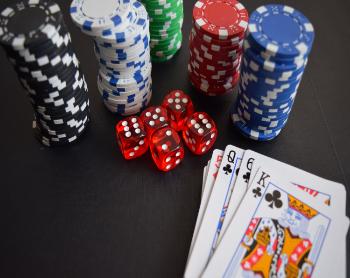

I’ve always believed the most important casino skill has very little to do with cards, roulette strategy, or picking the right machine. It is self-control. People often assume the main challenge is beating the odds, but in practice the harder challenge is managing emotion once money is on the line. That is also why I treat gambling-related promotions and links carefully. If I saw something like uus777 placed inside casino content, I would slow down and question it before clicking, because caution matters as much online as it does on a casino floor.

What makes casinos effective is their ability to keep people in motion mentally, even when they are sitting still. The lights, the noise, the near misses, and the quick pace all work together to keep a person focused on what might happen next instead of what has already happened. A player can enter with a simple idea in mind—spend a set amount, enjoy the atmosphere, and head home early—then find that plan quietly slipping away within an hour.
I’ve noticed that many players react badly to both winning and losing, just in different ways. A small win can make someone feel unusually sharp, as if they have found the rhythm of the table or machine. A small loss can make someone feel that the next round must be the turning point. Neither mindset is helpful. In both cases, emotion starts replacing judgment. Once that happens, the odds stop being the only problem.
Slots are especially good at creating this effect because they ask so little from the player. Pressing one button again and again does not feel dramatic, which is exactly why it becomes easy to stop thinking critically. Table games create a different illusion. Blackjack can make people feel analytical even when frustration is driving their decisions. Roulette often tempts players into seeing patterns in random outcomes. The human mind wants order, and casinos profit from that instinct.
My personal opinion is that the smartest thing any player can do is define success before they start. If success means leaving with a profit, most nights will feel disappointing. If success means sticking to a budget and enjoying the experience without losing control, the entire visit becomes easier to manage. That shift in definition changes behavior more than any betting system ever could.
Another habit that matters is taking breaks before you feel overwhelmed. Waiting until frustration is obvious is usually too late. A short pause to check the time, step away from the machine, or simply ask whether the next bet still fits the original plan can interrupt bad momentum. That moment of honesty matters more than people realize.
Casinos sell excitement, suspense, and possibility. They do not sell reliable outcomes, and they certainly do not reward emotional chasing over time. The players who usually protect themselves best are not the loudest, luckiest, or most confident. They are the ones who understand that discipline is the only part of the experience they truly control, and they refuse to give that away once the night starts pulling them in.